
Terms such as ‘ethical’ or ‘eco-friendly’ have no legal significance and encourages lack of accountability

This recent article from DownToEarth takes a deeper look at greenwashing in the fashion industry:
The term ‘greenwashing’ was coined by environmentalist Jay Westervelt in 1986 which refers to misleading advertisements or false claims by companies that suggest they are doing more for the environment than they actually are.
Such practices deceive customers with claims that are not backed by evidence and bear social, ethical and environmental repercussions.
Have a read to learn how to identify greenwashing.

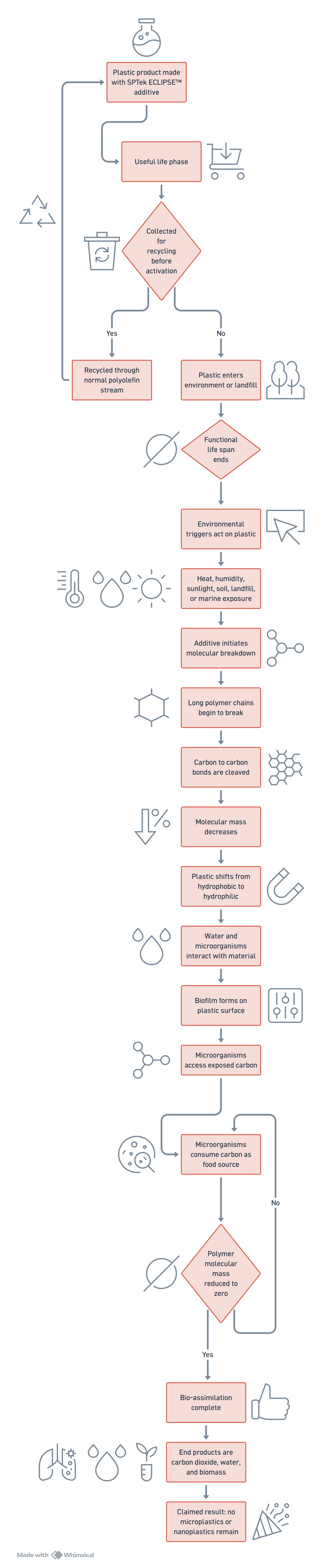
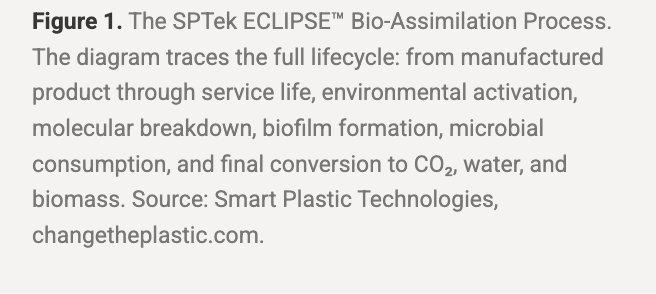
This recent article from DownToEarth takes a deeper look at greenwashing in the fashion industry:
The term ‘greenwashing’ was coined by environmentalist Jay Westervelt in 1986 which refers to misleading advertisements or false claims by companies that suggest they are doing more for the environment than they actually are.
Such practices deceive customers with claims that are not backed by evidence and bear social, ethical and environmental repercussions.
Have a read to learn how to identify greenwashing.
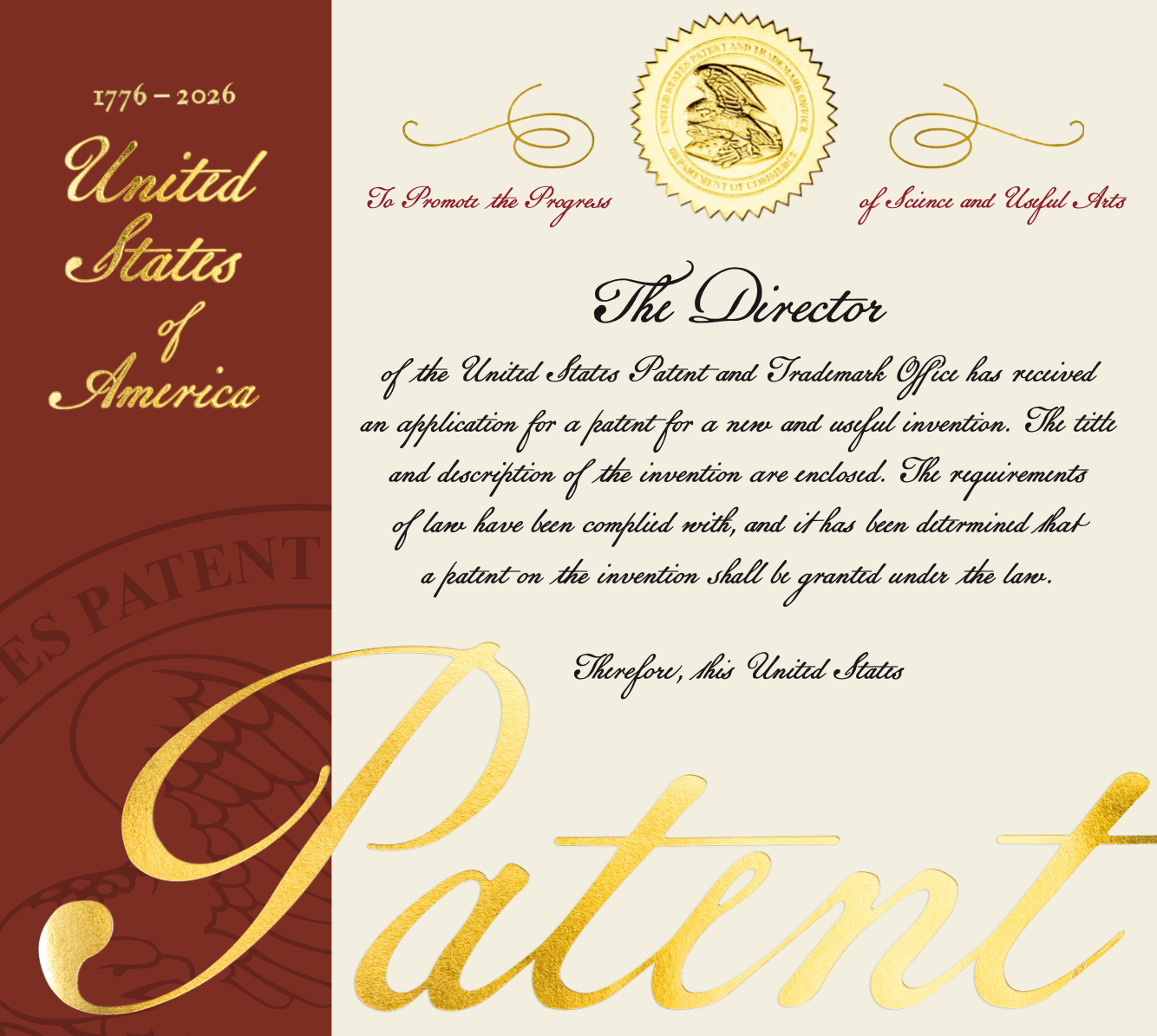
U.S. Patent No. 12,668,672 includes issued claims directed to specific SPTek ECLIPSE® master batch formulations, moving Smart Plastic from patent-pending to patent-protected.

Smart Plastic and its SPTek ECLIPSE® bio-assimilation technology took the top honor at Trellis Impact 26 in San Francisco.


