The global disconnect around plastic end-of-life isn’t a failure of awareness. It’s a failure of system design.

Over the past decade, the burden of solving the plastic problem has been placed on individuals: recycle more, choose better, avoid single-use wherever possible. Yet, plastic production continues to rise, and waste systems continue to fall short.
That disconnect isn’t a failure of awareness. It’s a failure of system design.
Much of our current approach depends on a simple assumption: if consumers do the “right” thing by recycling or composting materials, the system will work. But globally, only about 9% of plastic is actually recycled, highlighting the limits of downstream solutions alone.
Recycling systems are constrained by economics, contamination, and inconsistent infrastructure. Compostable materials depend on facilities that don’t exist in many regions. Even well-labeled packaging often ends up in the wrong wastestream.
We’ve designed solutions that depend on ideal conditions and placed them into systems that are anything but ideal.
The scale of the issue makes this even clearer. More than 350 million tons of plastic are produced annually, and two-thirds become waste within five years or less. This is not just a waste management problem, it’s a throughput problem.
We’ve optimized for speed, cost, and convenience, but not for recovery. Even when waste is collected, a significant portion is not recycled. In packaging — the largest source of plastic waste — much of what is collected still ends up in landfills or incineration due to technical and economic barriers.
Much of today’s response focuses on what happens after plastic becomes waste: recycling, recovery systems, and even offset mechanisms like plastic credits. These efforts are important, but they are inherently limited. They depend on infrastructure that is inconsistent and underdeveloped, economics that are often unfavorable, and human behavior that is difficult to standardize at scale.
As a result, even well-designed materials frequently fail to achieve their intended outcomes. By the time plastic reaches the waste stage, the conditions for success have already been constrained. Managing waste is necessary, but it cannot, on its own, solve a system that was not designed for recovery in the first place.
But a shift is coming. Extended Producer Responsibility (EPR), which requires producers to take accountability for packaging after use, is rapidly becoming central to global policy and circularity efforts. Already, dozens of jurisdictions worldwide are implementing or developing EPR frameworks, fundamentally shifting accountability upstream.
The question is no longer just: Is this recyclable?
It is now: What actually happens to this material in the real world — and who is responsible for that outcome?
End-of-life is no longer a secondary consideration. It is becoming a design constraint.
Plastic is often framed as the problem itself. And I wholeheartedly agree that reducing unnecessary plastic use is critical. But plastic didn’t become dominant by accident; it persists because it works within global supply chains, food systems, and cost structures.
It is lightweight, durable, cost-effective, and highly adaptable. It fits the system we’ve built. Even global institutions recognize this duality: plastic is deeply embedded in modern economies, even as its environmental impacts accelerate.
Which raises a more useful question:
If plastic is a problem, what does that say about the system that made it indispensable?
At the same time, emerging solutions like reuse, while promising, face their own constraints. Scaling reuse systems depends heavily on infrastructure development and cost competitiveness, which are still evolving.
We are still trying to solve the problem after the fact, rather than addressing how materials behave within real-world systems from the start.
If responsibility is shifting upstream, and systems remain imperfect, then the bar for solutions must change. It is no longer enough for materials to perform well in theory. They must perform in reality.
That means accounting for incomplete infrastructure, inconsistent behavior, leakage across waste streams, and economic constraints.
As regulatory pressure increases and margins tighten across the packaging industry, solutions that cannot meet cost, performance, and system constraints will struggle to scale.
If we continue to rely on downstream behavior to solve an upstream design problem, we will continue to fall short.
This is where the conversation is evolving — from intention to outcome, from design to accountability, from recyclability to real-world performance.
The real challenge is building systems, and solutions, that work as they are today, while moving us toward something better.
The goal isn’t just to eliminate plastic. It’s to build a world where we no longer depend on it in the ways we do today. That will require reducing unnecessary material use, accelerating viable alternatives, investing in infrastructure, and designing materials that align with real-world conditions.
Because until systems, incentives, policy, and design are aligned, we’re not solving the plastic problem. We’re just managing its symptoms.
Sources:
https://www.weforum.org/stories/2025/01/tipping-point-year-for-reusable-packaging-systems/
https://www.pew.org/en/research-and-analysis/reports/2025/12/breaking-the-plastic-wave-2025

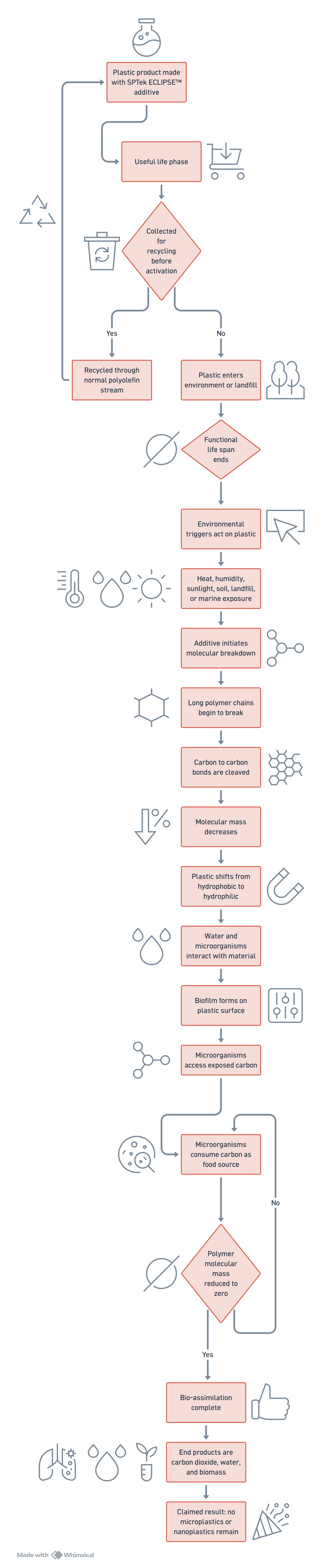
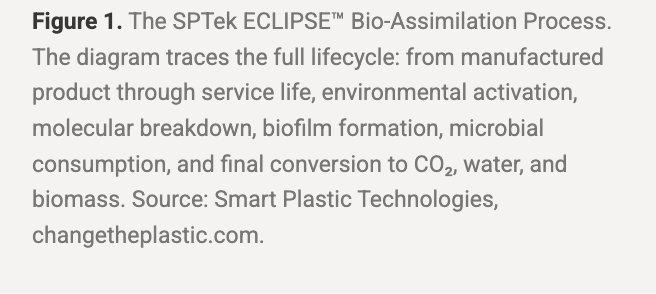
Over the past decade, the burden of solving the plastic problem has been placed on individuals: recycle more, choose better, avoid single-use wherever possible. Yet, plastic production continues to rise, and waste systems continue to fall short.
That disconnect isn’t a failure of awareness. It’s a failure of system design.
Much of our current approach depends on a simple assumption: if consumers do the “right” thing by recycling or composting materials, the system will work. But globally, only about 9% of plastic is actually recycled, highlighting the limits of downstream solutions alone.
Recycling systems are constrained by economics, contamination, and inconsistent infrastructure. Compostable materials depend on facilities that don’t exist in many regions. Even well-labeled packaging often ends up in the wrong wastestream.
We’ve designed solutions that depend on ideal conditions and placed them into systems that are anything but ideal.
The scale of the issue makes this even clearer. More than 350 million tons of plastic are produced annually, and two-thirds become waste within five years or less. This is not just a waste management problem, it’s a throughput problem.
We’ve optimized for speed, cost, and convenience, but not for recovery. Even when waste is collected, a significant portion is not recycled. In packaging — the largest source of plastic waste — much of what is collected still ends up in landfills or incineration due to technical and economic barriers.
Much of today’s response focuses on what happens after plastic becomes waste: recycling, recovery systems, and even offset mechanisms like plastic credits. These efforts are important, but they are inherently limited. They depend on infrastructure that is inconsistent and underdeveloped, economics that are often unfavorable, and human behavior that is difficult to standardize at scale.
As a result, even well-designed materials frequently fail to achieve their intended outcomes. By the time plastic reaches the waste stage, the conditions for success have already been constrained. Managing waste is necessary, but it cannot, on its own, solve a system that was not designed for recovery in the first place.
But a shift is coming. Extended Producer Responsibility (EPR), which requires producers to take accountability for packaging after use, is rapidly becoming central to global policy and circularity efforts. Already, dozens of jurisdictions worldwide are implementing or developing EPR frameworks, fundamentally shifting accountability upstream.
The question is no longer just: Is this recyclable?
It is now: What actually happens to this material in the real world — and who is responsible for that outcome?
End-of-life is no longer a secondary consideration. It is becoming a design constraint.
Plastic is often framed as the problem itself. And I wholeheartedly agree that reducing unnecessary plastic use is critical. But plastic didn’t become dominant by accident; it persists because it works within global supply chains, food systems, and cost structures.
It is lightweight, durable, cost-effective, and highly adaptable. It fits the system we’ve built. Even global institutions recognize this duality: plastic is deeply embedded in modern economies, even as its environmental impacts accelerate.
Which raises a more useful question:
If plastic is a problem, what does that say about the system that made it indispensable?
At the same time, emerging solutions like reuse, while promising, face their own constraints. Scaling reuse systems depends heavily on infrastructure development and cost competitiveness, which are still evolving.
We are still trying to solve the problem after the fact, rather than addressing how materials behave within real-world systems from the start.
If responsibility is shifting upstream, and systems remain imperfect, then the bar for solutions must change. It is no longer enough for materials to perform well in theory. They must perform in reality.
That means accounting for incomplete infrastructure, inconsistent behavior, leakage across waste streams, and economic constraints.
As regulatory pressure increases and margins tighten across the packaging industry, solutions that cannot meet cost, performance, and system constraints will struggle to scale.
If we continue to rely on downstream behavior to solve an upstream design problem, we will continue to fall short.
This is where the conversation is evolving — from intention to outcome, from design to accountability, from recyclability to real-world performance.
The real challenge is building systems, and solutions, that work as they are today, while moving us toward something better.
The goal isn’t just to eliminate plastic. It’s to build a world where we no longer depend on it in the ways we do today. That will require reducing unnecessary material use, accelerating viable alternatives, investing in infrastructure, and designing materials that align with real-world conditions.
Because until systems, incentives, policy, and design are aligned, we’re not solving the plastic problem. We’re just managing its symptoms.
Sources:
https://www.weforum.org/stories/2025/01/tipping-point-year-for-reusable-packaging-systems/
https://www.pew.org/en/research-and-analysis/reports/2025/12/breaking-the-plastic-wave-2025
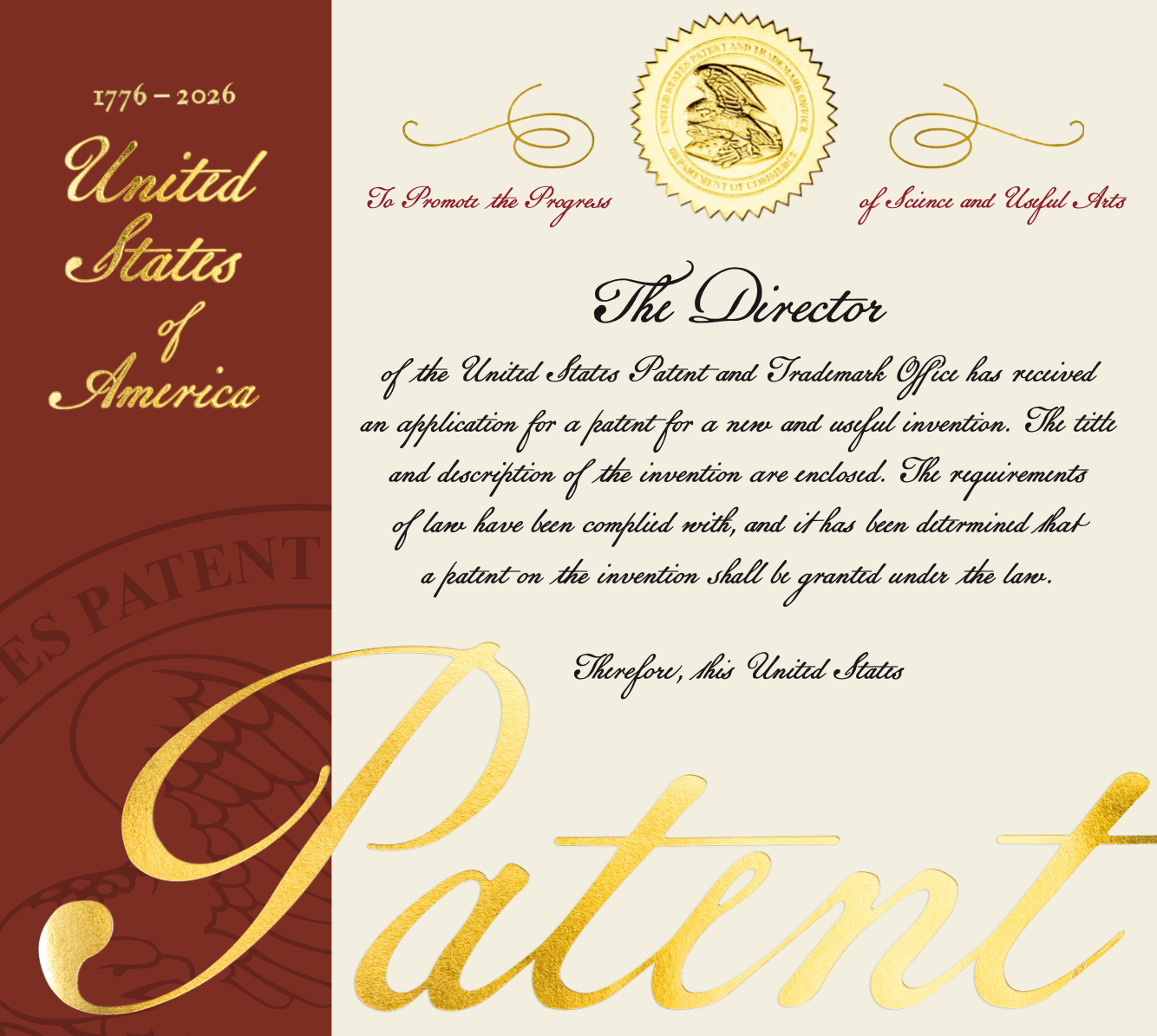
U.S. Patent No. 12,668,672 includes issued claims directed to specific SPTek ECLIPSE® master batch formulations, moving Smart Plastic from patent-pending to patent-protected.

Smart Plastic and its SPTek ECLIPSE® bio-assimilation technology took the top honor at Trellis Impact 26 in San Francisco.